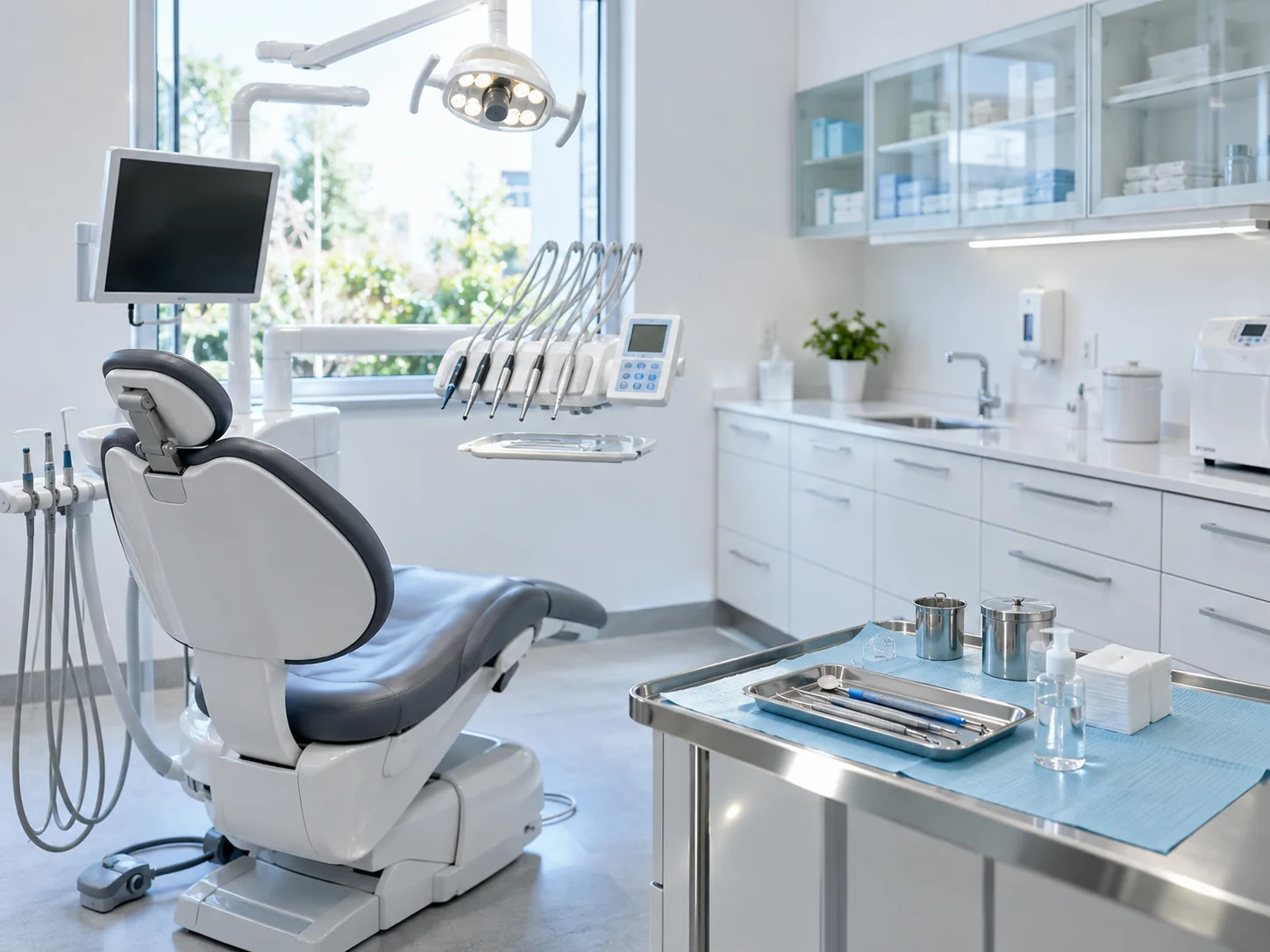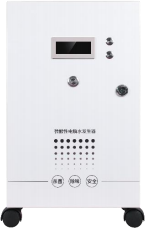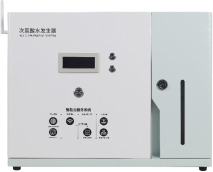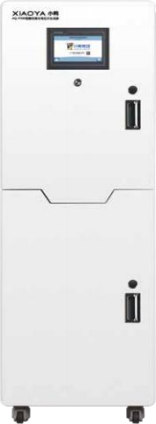
Manufactured by XiaoyaGroup established in 1979

Manufacturer after-sales supportProvided by Xiaoya Group

Equipment & project consultationXiaoya Group · Discuss your project

The group behind your equipment

Xiaoya Group building image
Xiaoya Group · company image

A manufacturing group.
A partner for your operation.

Shandong Xiaoya Group was founded in 1979. The Group's business spans the home appliance and electromechanical sectors, and is supported by a national-level postdoctoral research station, a provincial-level enterprise technology center, and a platform for industry-academia-research collaboration.

For hypochlorous acid equipment, we have dedicated patents, third-party testing, a wide range of products, and overseas project experience.

1979Group established
700+Group patents
86HOCl patent applications
Explore company & equipment documents

Technology & system planning

Understand the process.
Specify the right system.

Two electrolysis routes, one selection principle: define the water, electrolyte and operating requirements before choosing the system.

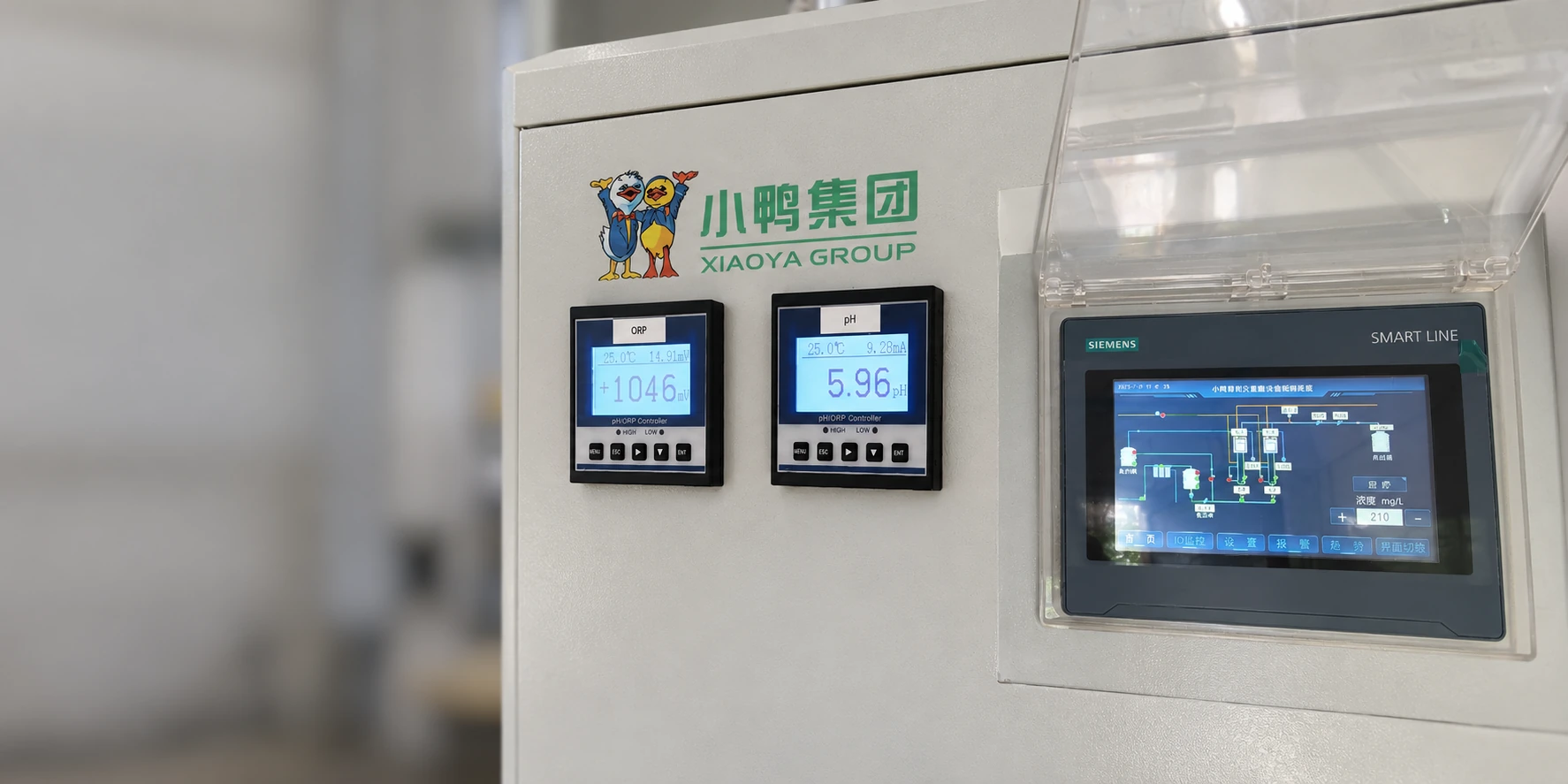
AI-adapted detail based on a Xiaoya control-panel photo, showing the equipment logo, ORP and pH meters, and protected touchscreen
Control-panel visualization · monitoring functions depend on the selected configuration.

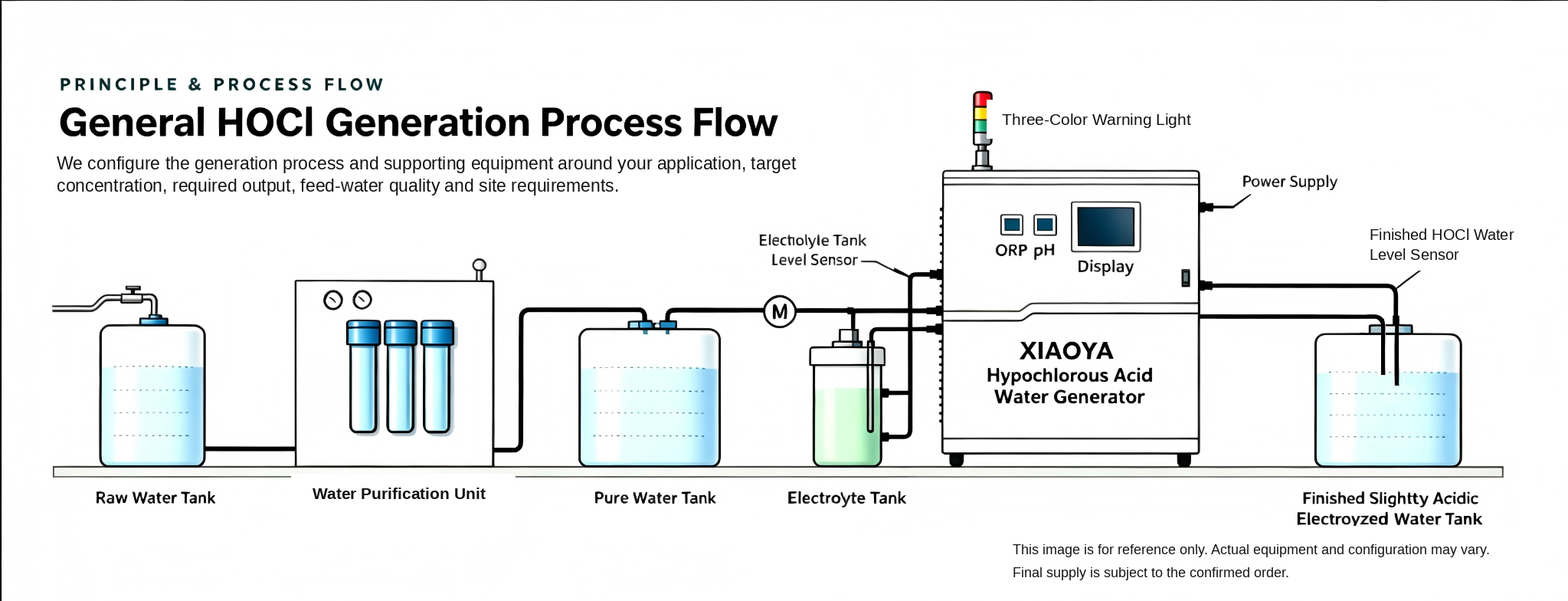
General HOCl Generation Process Flow

General HOCl Generation Process Flow
DILUTE-HCl ELECTROLYSIS

Water + dilute hydrochloric acid

Six standard models cover different output and control requirements. Feed-water quality affects the final pH.

Feed water + dilute HCl

Confirm water quality and electrolyte specification.

Electrolysis

Select output capacity and operating controls.

HOCl solution

Confirm pH and available chlorine for the intended use.

Standard model output
60–1,000+ L/h
Model-dependent FAC
100-200ppm
Explore HCl models
Plan installation, storage & distribution

What do you need for your venue?

These details help us build a workable system configuration for your site.

Review Site Requirements
Water & electrolyte

Share your water source or analysis. Confirm pretreatment, required raw-material specification, storage and handling for the selected route.

Power & installation

The system can be configured for different local power supplies. Tell us your local supply, available space and inlet pressure so compatibility can be confirmed.

Storage & distribution

Storage tanks, dosing pumps, spraying and pipelines may form part of a project. Confirm which accessories are included, optional or supplied locally.

Monitoring & operating hours

Define daily use, peak demand and monitoring needs. Online pH, ORP or residual-chlorine monitoring and remote functions depend on the agreed configuration.

Feed water & pretreatmentElectrolysisStorage & dosingUse points

Typical project sequence; auxiliary equipment and final process design are configuration-specific.

Your application comes first.

Choosing the right disinfection system depends on the application, how often the solution is used, and how it is applied. Select an application scenario below to review typical requirements and get practical guidance for equipment selection.

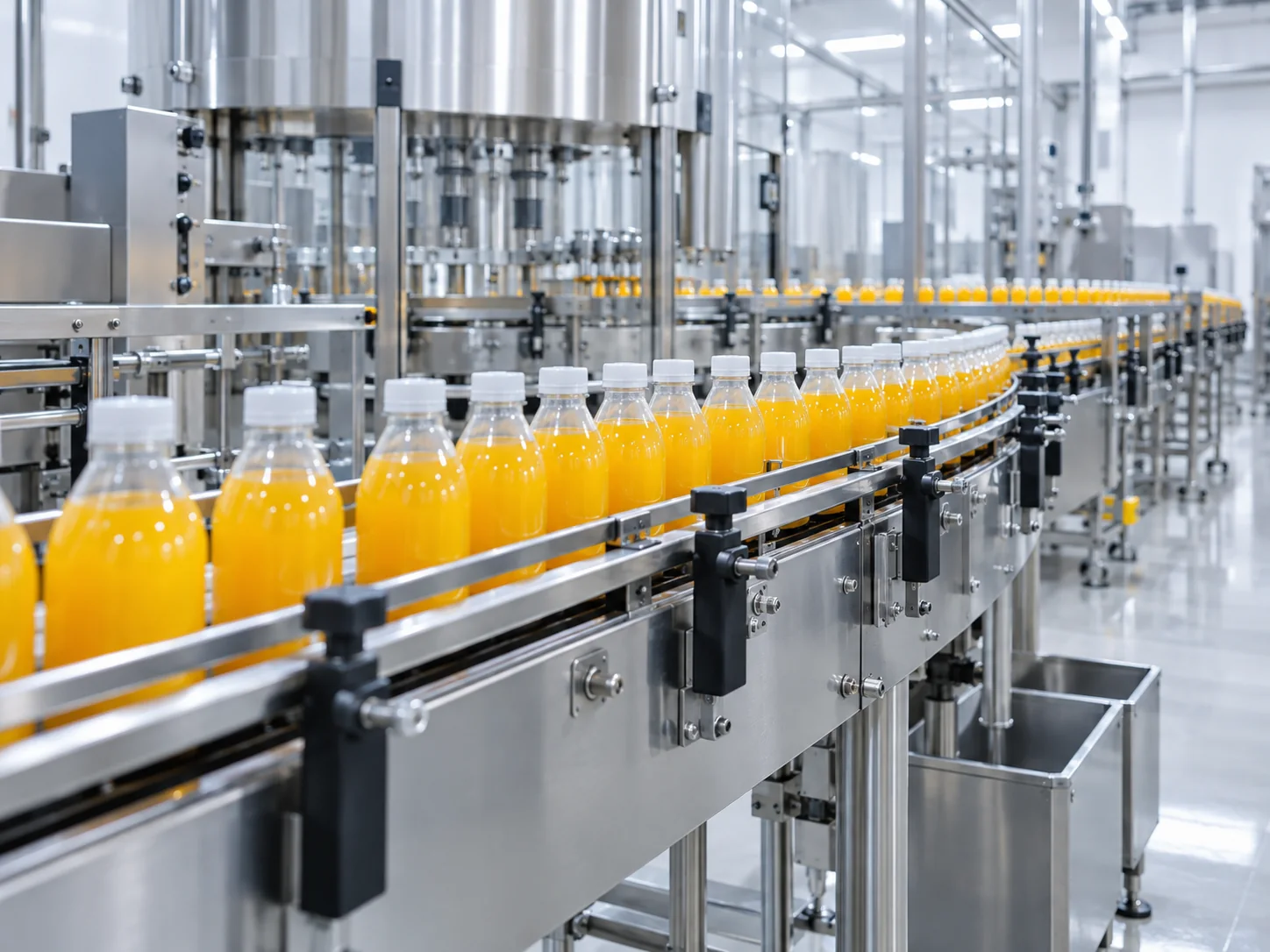
Food processing application environment
Application environment · Food processing

Sanitation across your production floor.

From work surfaces to containers, plan supply around the actual use points and validated sanitation process.

  • Equipment, workbenches and utensils
  • Crates, containers and selected washing processes
  • Storage, dosing and distribution integration
YOUR SELECTION STARTING POINT

What needs sanitizing, how often, and at what daily volume?

Discuss this application

Final FAC, pH, contact time, material compatibility and documentation depend on the intended use and destination market.

Technical advantages

Built for repeatable operation, site integration and maintainability.

Discuss system planning

Process stability & control

System selection starts with the required flow rate, target FAC / pH, operating time and inlet-water conditions so the equipment can run within the defined daily production window.

  • Model selection based on output, concentration and duty cycle
  • Monitoring, alarms and operating protection according to the selected configuration
  • Applicable models support remote monitoring / control

Flexible project integration

Standalone generators and customized high-flow systems can be combined with the auxiliary equipment needed to deliver the solution to the actual points of use.

  • Storage tanks, metering pumps and spraying / distribution piping
  • Online pH, ORP or residual-chlorine monitoring where required
  • Connection with existing water-supply, sanitation or production systems

Maintainable system design

Maintenance planning is matched to water quality, operating hours and consumable replacement so the project remains practical after commissioning.

  • Routine maintenance and consumables planning defined during model selection
  • Water-treatment requirements confirmed before installation
  • Spare parts, documentation and service scope reviewed against the project

Find your generator

A clearer path to the right model.

Compare standard models by output and electrolysis route. Final selection also depends on concentration, water quality and operating hours.

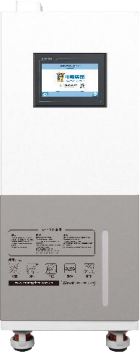
Xiaoya AQ-P100 HOCl generator
Dilute HCl + water

AQ-P100

Compact footprint · 500 mL electrolyte tank

Output · L/h
60–120
FAC · ppm
10–80
Ask about this model
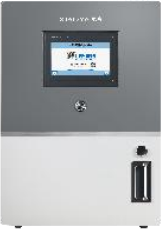
Xiaoya AQ-P100-4G HOCl generator
Dilute HCl + water

AQ-P100-4G

Slim format · optional 4G remote control

Output · L/h
60–120
FAC · ppm
10–80
Ask about this model

FAC = free available chlorine. Output and concentration must be confirmed together; listed range limits are not a guarantee of simultaneous maximum output. HCl-model pH depends on feed-water conditions.

Compare all 7 standard models Output · concentration · power · format
Specifications of all seven Xiaoya standard HOCl generators
ModelOutput · L/hFACRated powerKey distinction
AQ-P10060–12010–80 ppm170 WCompact footprint · 500 mL electrolyte tank
AQ-P100-4G60–12010–80 ppm170 WSlim format · optional 4G remote control
AQ-P300-A120–30010–200 ppm420 WFloor-standing · 500 × 510 × 1500 mm
AQ-P300-W120–30010–200 ppm420 WSmaller footprint · 390 × 340 × 910 mm
AQ-P300-M30040–80 ppm420 WFixed 300 L/h output · model-specific documentation
AQ-P1000≥1,00010–200 ppm2,100 WIndustrial output · 25 L electrolyte tank
XY SAEW-5050500 mg/L1,300 WSalt diaphragm electrolysis · pure-water feed
Not sure about output or FAC?

Tell us what you need to disinfect and your approximate daily use.

Help me choose
Xiaoya · Model specifications

AQ-P1000

Industrial output · 25 L electrolyte tank

HOCL Output
≥1,000 L/h
pH Range
5.0–6.5*
Active Disinfectant
HOCL
Available Chlorine
10–200 ppm
Power Supply
220 V / 50 Hz
Rated Power
2,100 W
Cell Life
≥5,000 h
Inlet Pressure
0.15–0.25 MPa
Electrolyte Tank
25 L
Dimensions
900 × 700 × 1400 mm
Electrode
Ru-Ir coated titanium

Confirm output at the required FAC, feed-water conditions and destination-market requirements before ordering. Optional functions and project accessories depend on the agreed configuration.

Discuss AQ-P1000
Xiaoya · Model specifications

AQ-P300-A

Floor-standing · 500 × 510 × 1500 mm

HOCL Output
120–300 L/h
pH Range
5.0–6.5*
Active Disinfectant
HOCL
Available Chlorine
10–200 ppm
Power Supply
220 V / 50 Hz
Rated Power
420 W
Cell Life
≥5,000 h
Inlet Pressure
0.15–0.25 MPa
Electrolyte Tank
5 L
Dimensions
500 × 510 × 1500 mm
Electrode
Ru-Ir coated titanium

Confirm output at the required FAC, feed-water conditions and destination-market requirements before ordering. Optional functions and project accessories depend on the agreed configuration.

Discuss AQ-P300-A
Xiaoya · Model specifications

AQ-P300-W

Smaller footprint · 390 × 340 × 910 mm

HOCL Output
120–300 L/h
pH Range
5.0–6.5*
Active Disinfectant
HOCL
Available Chlorine
10–200 ppm
Power Supply
220 V / 50 Hz
Rated Power
420 W
Cell Life
≥5,000 h
Inlet Pressure
0.15–0.25 MPa
Electrolyte Tank
5 L
Dimensions
390 × 340 × 910 mm
Electrode
Ru-Ir coated titanium

Confirm output at the required FAC, feed-water conditions and destination-market requirements before ordering. Optional functions and project accessories depend on the agreed configuration.

Discuss AQ-P300-W
Xiaoya · Model specifications

AQ-P300-M

Fixed 300 L/h output · model-specific documentation

HOCL Output
300 L/h
pH Range
5.0–6.5*
Active Disinfectant
HOCL
Available Chlorine
40–80 ppm
Power Supply
220 V / 50 Hz
Rated Power
420 W
Cell Life
≥5,000 h
Inlet Pressure
0.15–0.25 MPa
Electrolyte Tank
2 L
Dimensions
420 × 280 × 625 mm
Unit Weight
25 kg
CE report reference
18250EC30076201

Confirm output at the required FAC, feed-water conditions and destination-market requirements before ordering. Optional functions and project accessories depend on the agreed configuration.

Discuss AQ-P300-M
Xiaoya · Model specifications

AQ-P100-4G

Slim format · optional 4G remote control

HOCL Output
60–120 L/h
pH Range
5.0–6.5*
Active Disinfectant
HOCL
Available Chlorine
10–80 ppm
Power Supply
220 V / 50 Hz
Rated Power
170 W
Cell Life
≥5,000 h
Inlet Pressure
0.15–0.25 MPa
Electrolyte Tank
1,000 mL
Dimensions
500 × 380 × 190 mm
Electrode
Ru-Ir coated titanium
Remote Control
Optional 4G

Confirm output at the required FAC, feed-water conditions and destination-market requirements before ordering. Optional functions and project accessories depend on the agreed configuration.

Discuss AQ-P100-4G
Xiaoya · Model specifications

AQ-P100

Compact footprint · 500 mL electrolyte tank

HOCL Output
60–120 L/h
pH Range
5.0–6.5*
Active Disinfectant
HOCL
Available Chlorine
10–80 ppm
Power Supply
220 V / 50 Hz
Rated Power
170 W
Cell Life
≥5,000 h
Inlet Pressure
0.15–0.25 MPa
Electrolyte Tank
500 mL
Dimensions
300 × 200 × 460 mm
Electrode
Ru-Ir coated titanium

Confirm output at the required FAC, feed-water conditions and destination-market requirements before ordering. Optional functions and project accessories depend on the agreed configuration.

Discuss AQ-P100
Xiaoya · Model specifications

XY SAEW-50

Salt diaphragm electrolysis · pure-water feed

Model
XY SAEW-50
Rated Voltage / Frequency
220 V / 50 Hz
Rated Power
1,300 W
Generation Capacity
50 L/h
Dimensions
600 × 520 × 1430 mm
Acid / Alkaline / Electrolyte Tank
50 L
Electrolysis Mode
Continuous
Cell Life
≥10,000 h
Available Chlorine
500 mg/L
pH Range
Automatically stable at 5.0–6.5
Water Source
Pure water
Inlet Pressure
0.2–0.3 MPa

Confirm output at the required FAC, feed-water conditions and destination-market requirements before ordering. Optional functions and project accessories depend on the agreed configuration.

Discuss XY SAEW-50

See Our Systems in Real-World Applications

Explore selected overseas installations and application references. Discuss how a similar system could fit your site.

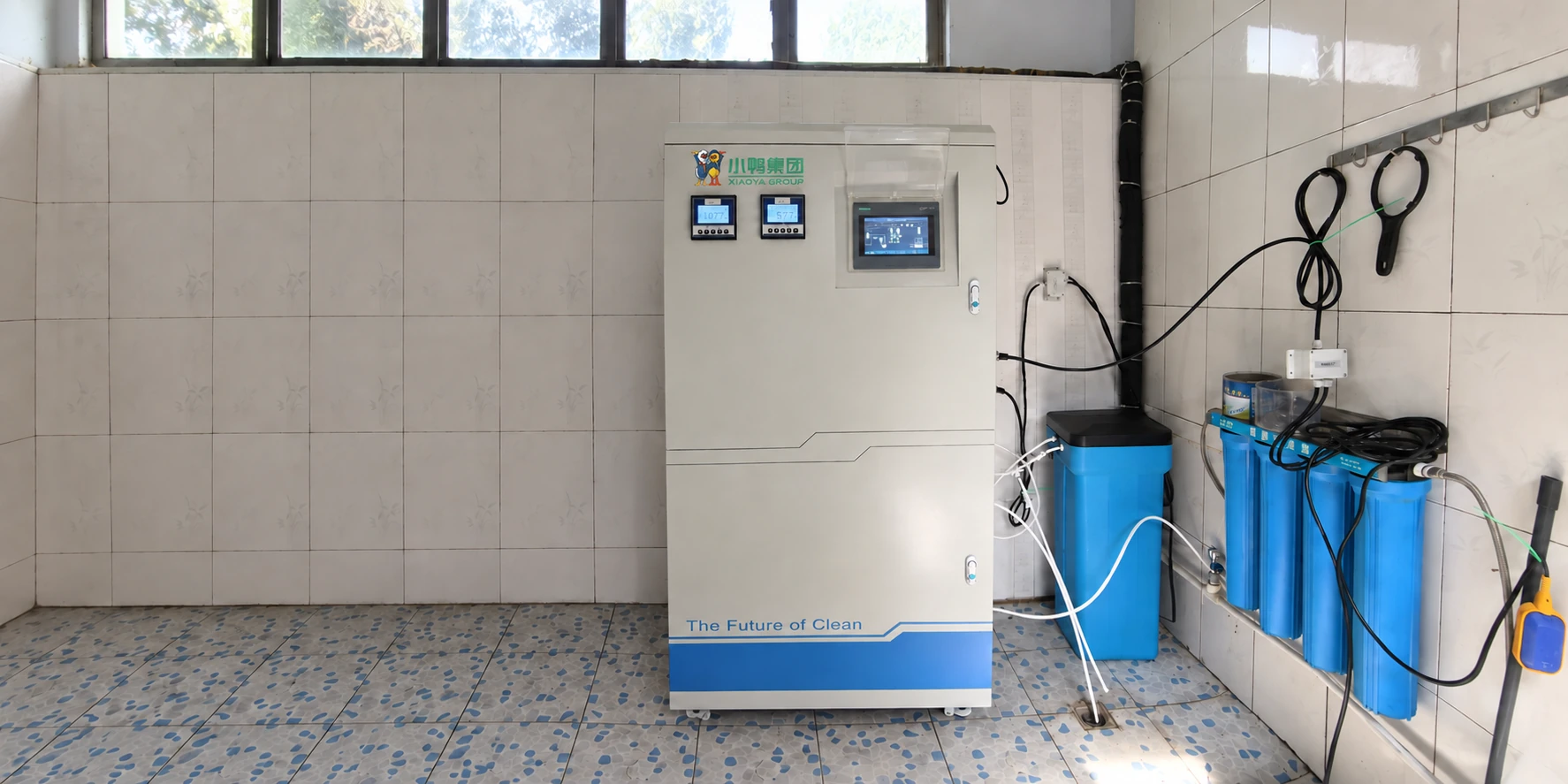
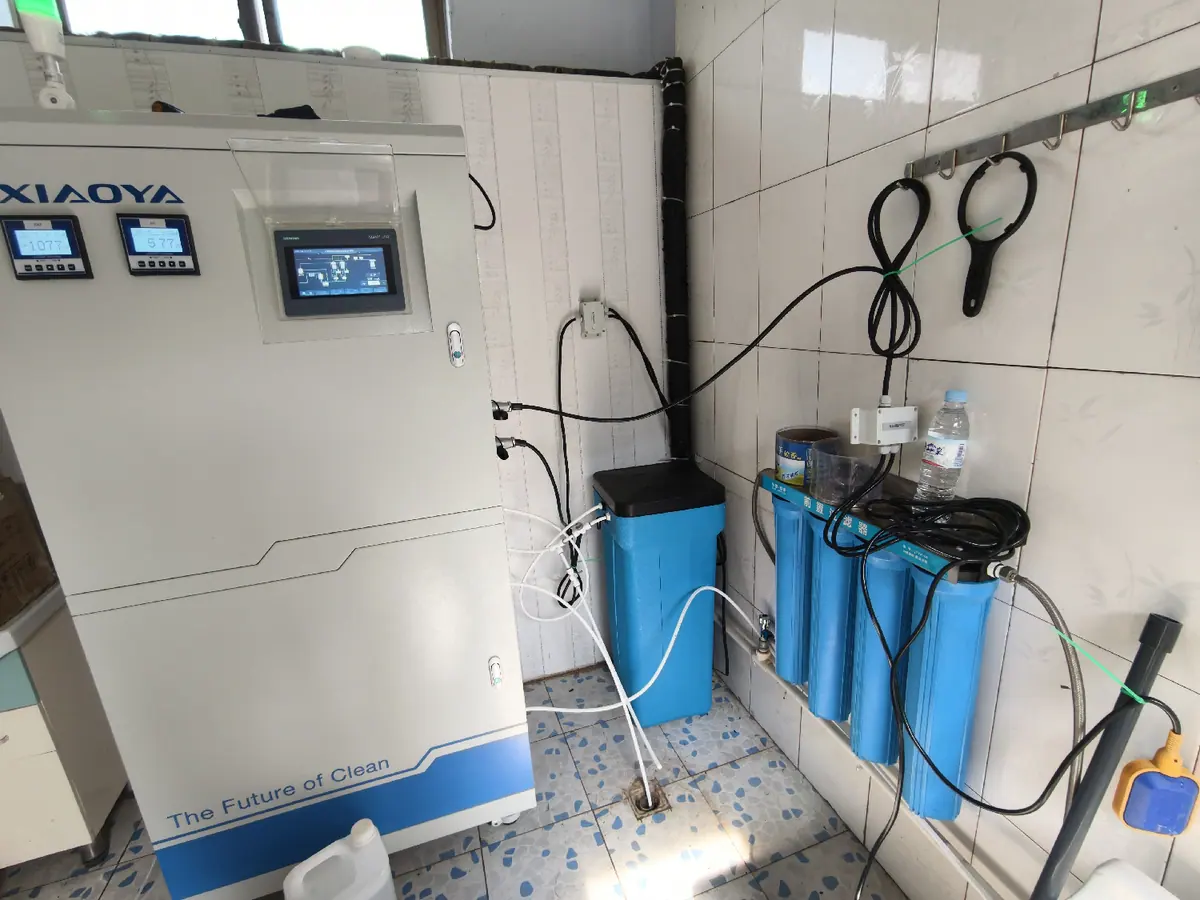
Salt-type HOCl generator and water treatment equipment at the Malaysia installation
Malaysia · Salt-type installation

On-site generation with supporting equipment

The installation reference shows a salt-type generator alongside water-treatment equipment. Your configuration starts with your feed water and required output.

Ask about a similar setup
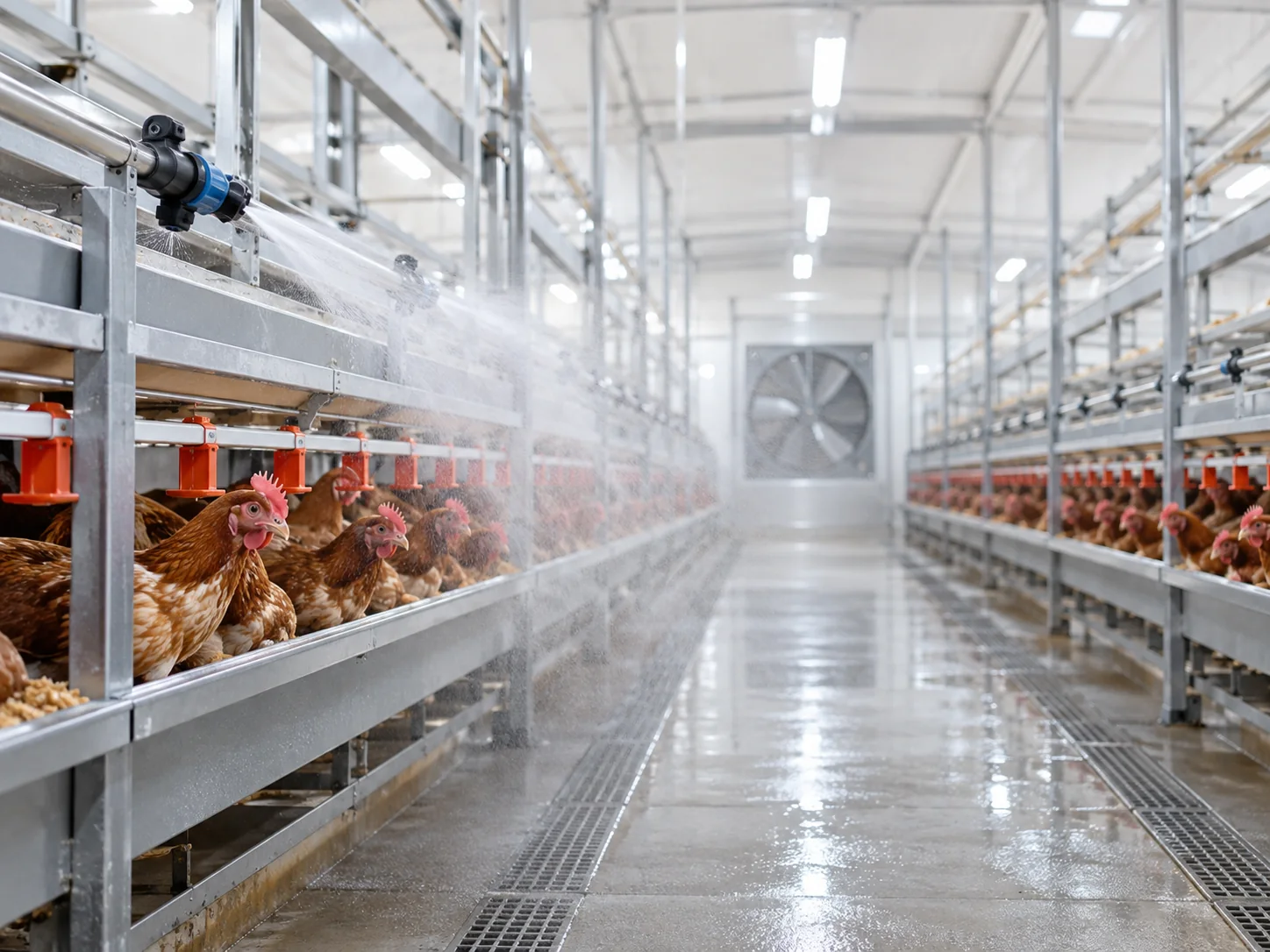
Saudi Arabia · Livestock & poultry

Generation at the point of operation.

A project reference for livestock and environmental sanitation.

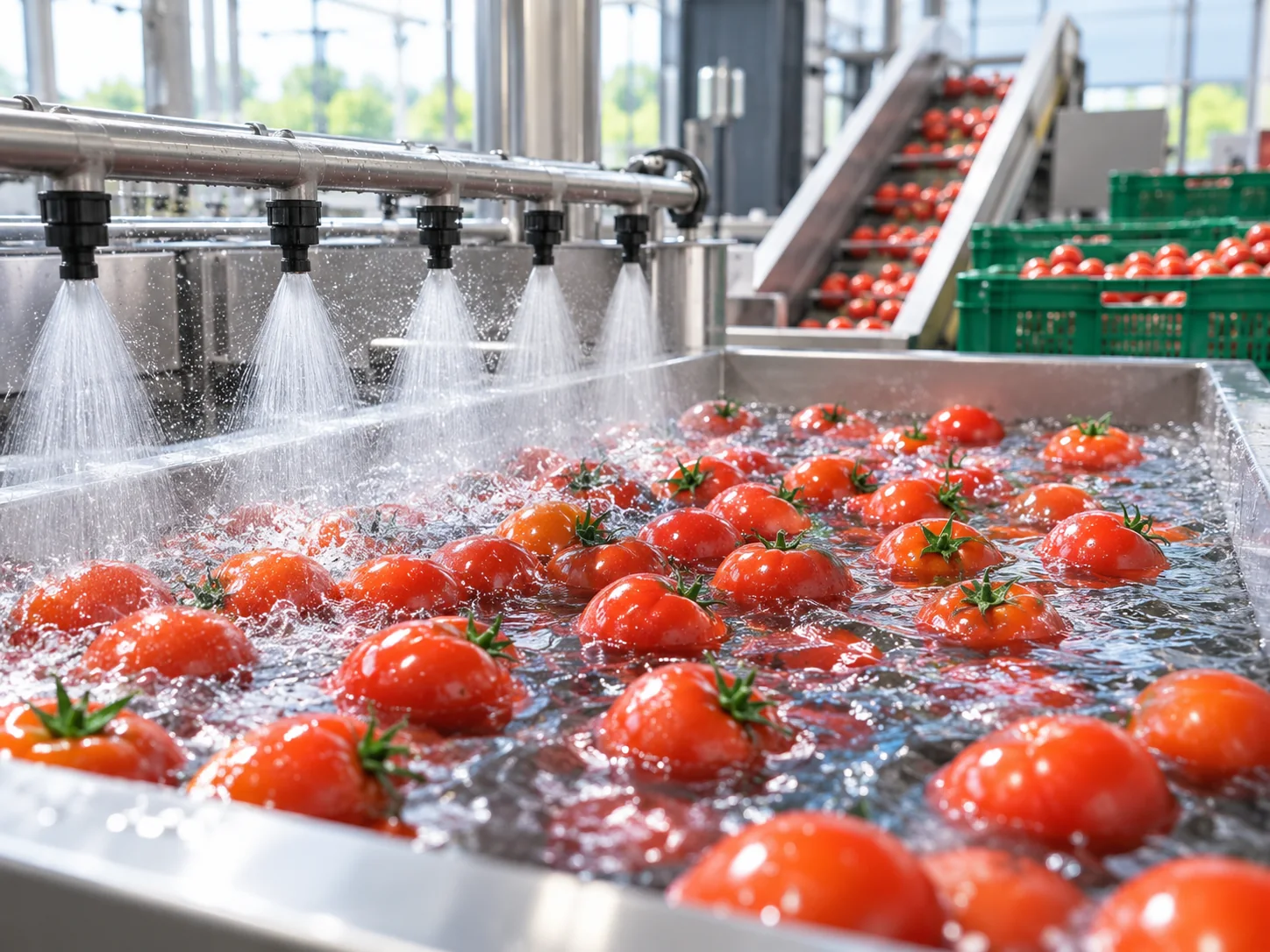
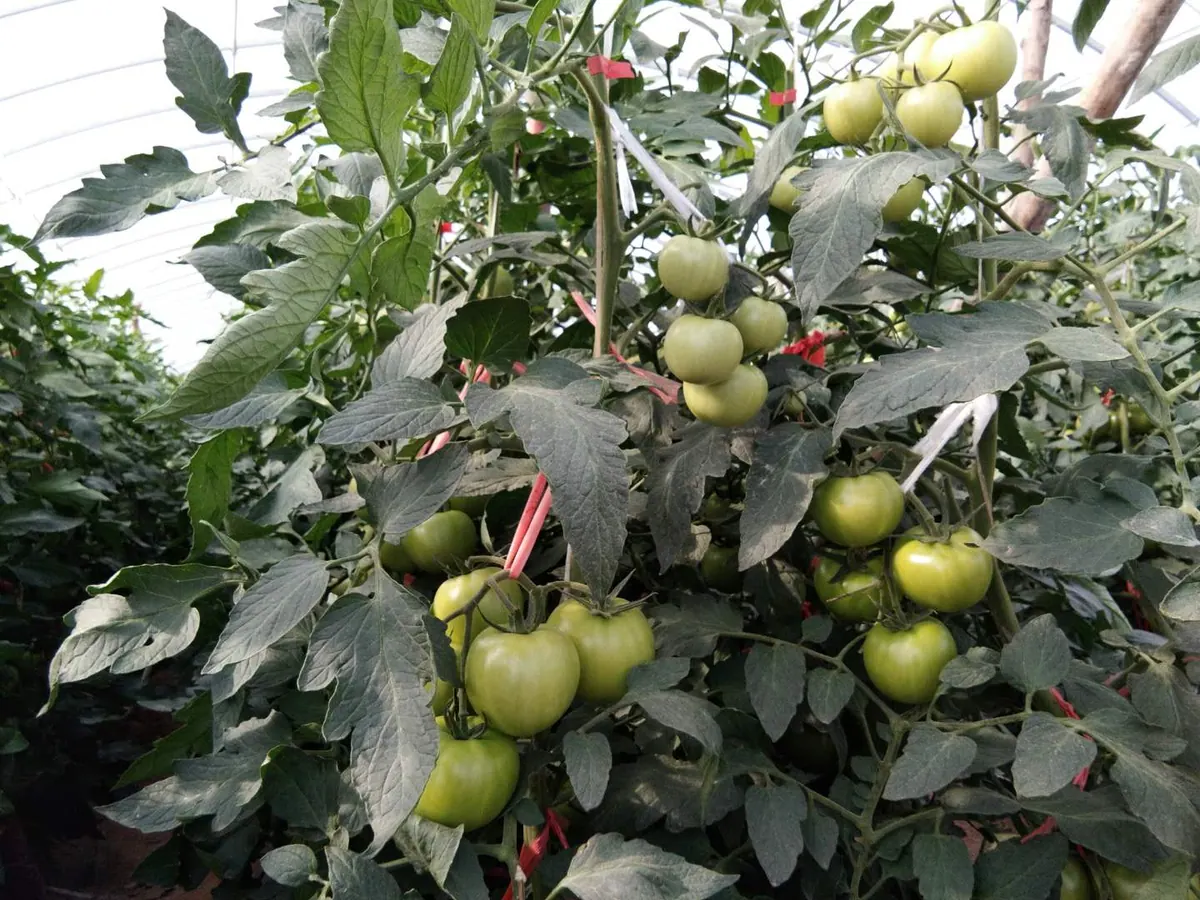
Tomato growing environment shown for the Lyon agricultural reference
Lyon, France · Agriculture

Agricultural application reference

Crop environment shown. Ask the team for project configuration details.

COST ADVANTAGE

Invest in on-site generation and reduce recurring dependence on purchased disinfectant.

On-site generation changes the cost structure from repeated finished-solution purchasing to equipment investment plus water, electrolyte and electricity. It can also reduce the operating burden associated with transport, storage, dilution and repeated handling.

Actual operating cost and payback period depend on model, FAC, local water / electricity / raw-material prices, daily consumption and the customer's current disinfection process.

Compare My Current Cost
OPERATING FACTOR PURCHASED SOLUTION · ON-SITE GENERATION
Purchasing

PURCHASED SOLUTION Recurring finished-chemical ordersON-SITE GENERATION Electrolyte (salt or dilute HCl) + water + electricity

Transport & Storage

PURCHASED SOLUTION Regular logistics and finished-product inventoryON-SITE GENERATION Reduced dependence on finished-solution inventory

Preparation

PURCHASED SOLUTION May require dilution, handling and manual preparationON-SITE GENERATION Controlled production settings on the generator

Availability

PURCHASED SOLUTION Depends on purchased stock and storage lifeON-SITE GENERATION Generate on site according to operating demand

Long-term Cost

PURCHASED SOLUTION Continues with every purchase cycleON-SITE GENERATION Equipment investment + recurring utility / raw-material inputs

Cost logic:

Purchased disinfectant cost = chemical purchase + transport / storage + manual preparation + operating costs.

On-site HOCl generation cost = equipment investment + raw material + water + electricity + model-specific maintenance.

Documents & supplier review

Documents for your supplier review.

Review the relevant model, certificate holder and scope alongside your destination-market requirements.

Equipment documentation

AQ-P300-M

CE report reference
18250EC30076201

Review the applicable model and test scope. Ask for the current equipment documents for your purchase.

Request model documents

Management-system certificates and equipment documents serve different purposes. Confirm current validity, model coverage and intended-use requirements during technical review.

Document

Check the holder, scope, model and dates. You can request the complete current file from the sales team.

Download this image

Manufacturer after-sales support

Your equipment.
Xiaoya's support.

Xiaoya Group is responsible for after-sales support. Agree the service arrangements for your country and configuration before ordering.

BEFORE DELIVERYSystem planning
AFTER DELIVERYManufacturer support
Discuss support for my project

Plan beyond delivery.

Installation & commissioning

Review site preparation, startup guidance, operator documentation and the required language.

Maintenance & spare parts

Confirm cleaning intervals, replacement components and how to obtain parts for your model.

Warranty & service scope

Agree coverage, remote or on-site arrangements, response expectations and any service costs in the quotation.

Service scope and terms are confirmed for each order.

A few things worth knowing.

Practical answers before your first equipment discussion.

Choosing your system

I don't know the required output. Can I still inquire?

Yes. Tell us what you disinfect, your approximate daily use and operating hours. Include peak demand or the number of use points if you know them.

What does FAC mean?

FAC means free available chlorine. It is one of the parameters used to specify the generated solution. The required level depends on the application, contact time and validated process.

Should I choose salt or dilute-HCl electrolysis?

Compare required output and FAC, feed-water quality, raw-material availability and maintenance requirements. The routes have different equipment and supporting-system needs.

Can the system connect to existing equipment?

Project configurations can include storage, dosing, monitoring and distribution interfaces. Share your existing layout and use points so compatibility and accessory scope can be reviewed.

Three practical advantages

On-demand, low-odor and less storage

Generate HOCl close to the point of use when it is needed. For many routine sanitation tasks, mildly acidic HOCl can provide a lower-odor working experience than strongly odorous conventional chemicals when used correctly. On-site generation can also reduce the volume of finished disinfectant that must be transported and stored; raw materials still follow local handling and safety requirements.

Flexible output, multiple methods and fresh solution

Match generation capacity and target concentration to the actual sanitation task, operating hours and daily consumption. A properly designed system can support spraying, rinsing, soaking, storage-tank supply, dosing and pipeline distribution. Producing near the use point also helps avoid unnecessarily long storage of finished HOCl and makes replenishment easier for sites with frequent daily demand.

Centralized supply, simpler workflow and scalable economics

One generation system can be designed to serve several use points, helping larger facilities reduce repeated preparation in different departments. Automated generation can reduce repeated dilution and manual mixing steps, helping operators follow a more consistent routine. Capacity can also be selected around real consumption, giving buyers a clearer basis for comparing recurring purchased-solution cost with on-site generation.

Ordering & support

Who provides after-sales support?

Xiaoya Group is responsible for after-sales support. Confirm the installation, maintenance, spare-parts and warranty arrangements for your order with the Xiaoya Group team.

Which equipment report can I review?

The supplied AQ-P300-M documentation includes CE report reference 18250EC30076201. Request the current file and review its applicable model and test scope with the sales team.

What is included in a quotation?

Request a clear scope for the generator, pretreatment, tanks, pumps, controls, packaging and transport. Accessories, delivery terms and service arrangements depend on the project.

What should I confirm for overseas delivery?

Provide the installation country, local power supply and intended use. Confirm documentation, lead time, shipping terms and payment arrangements with the sales team before ordering.

Let's find your configuration

Tell us about
your operation.

You don't need a model number or a complete technical brief. Your application and approximate demand are a useful starting point.

  1. 1
    Share your requirement

    Country, application and what you need to disinfect.

  2. 2
    Discuss a suitable configuration

    Review output, FAC, water and supporting equipment.

  3. 3
    Confirm the commercial scope

    Documentation, delivery, quotation and after-sales arrangements.

Xiaoya Group · Project inquiries iris@cnhocl.com WhatsApp · +86 139 6418 6800

Send us your requirement

Leave your contact details and project requirement. We'll follow up directly.


    Attachment optional

    Your inquiry, your choice.

    This page prepares an equipment inquiry in your browser. It does not automatically submit your form, save it to a server or use advertising trackers.

    When you submit the Contact Form 7 form, your inquiry is sent to the Xiaoya Group team by email. Review the recipient and message before sending.

    Your inquiry is addressed to the Xiaoya Group team. Ask the team how your project information will be used or shared during equipment selection and technical review.

    Contact: iris@cnhocl.com. Downloading the selection PDF does not send your contact details.

    Xiaoya Group company building

    Let's talk business

    Talk with our
    General Manager.

    Discuss your procurement plans, project requirements or long-term cooperation.


      Attachment optional

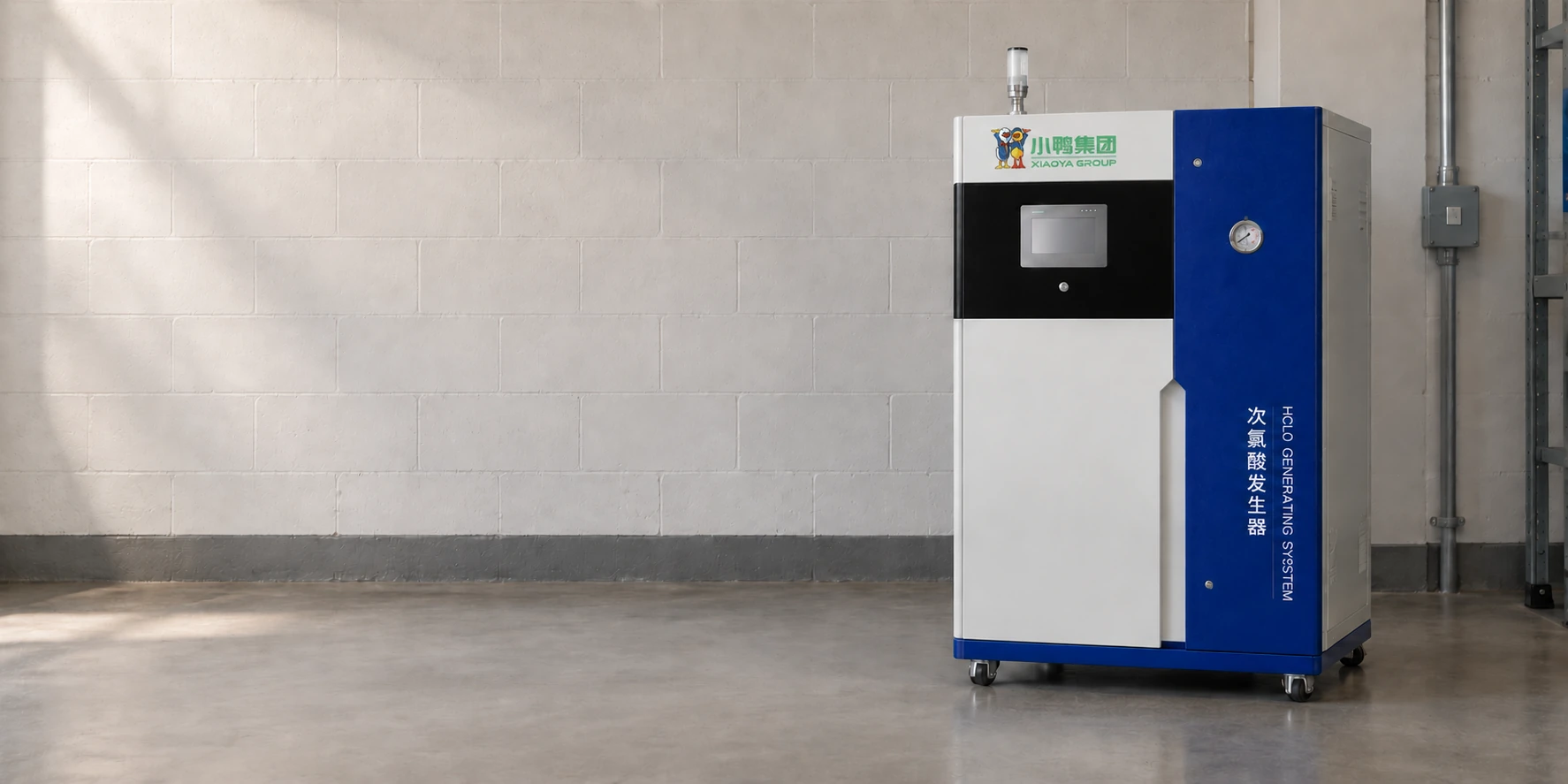
      Xiaoya Group · HOCl generators